Exploring the Infinite: Why Open World Games are Redefining Interactive Entertainment
The Allure of Open World Games
Open world games have taken the gaming industry by storm, captivating millions across the globe. These games offer a vast landscape for players to explore, enabling them to create their own adventures and define their own narratives. The freedom of movement and interaction in these environments is unparalleled, making them a unique form of entertainment.
What Exactly are Open World Games?
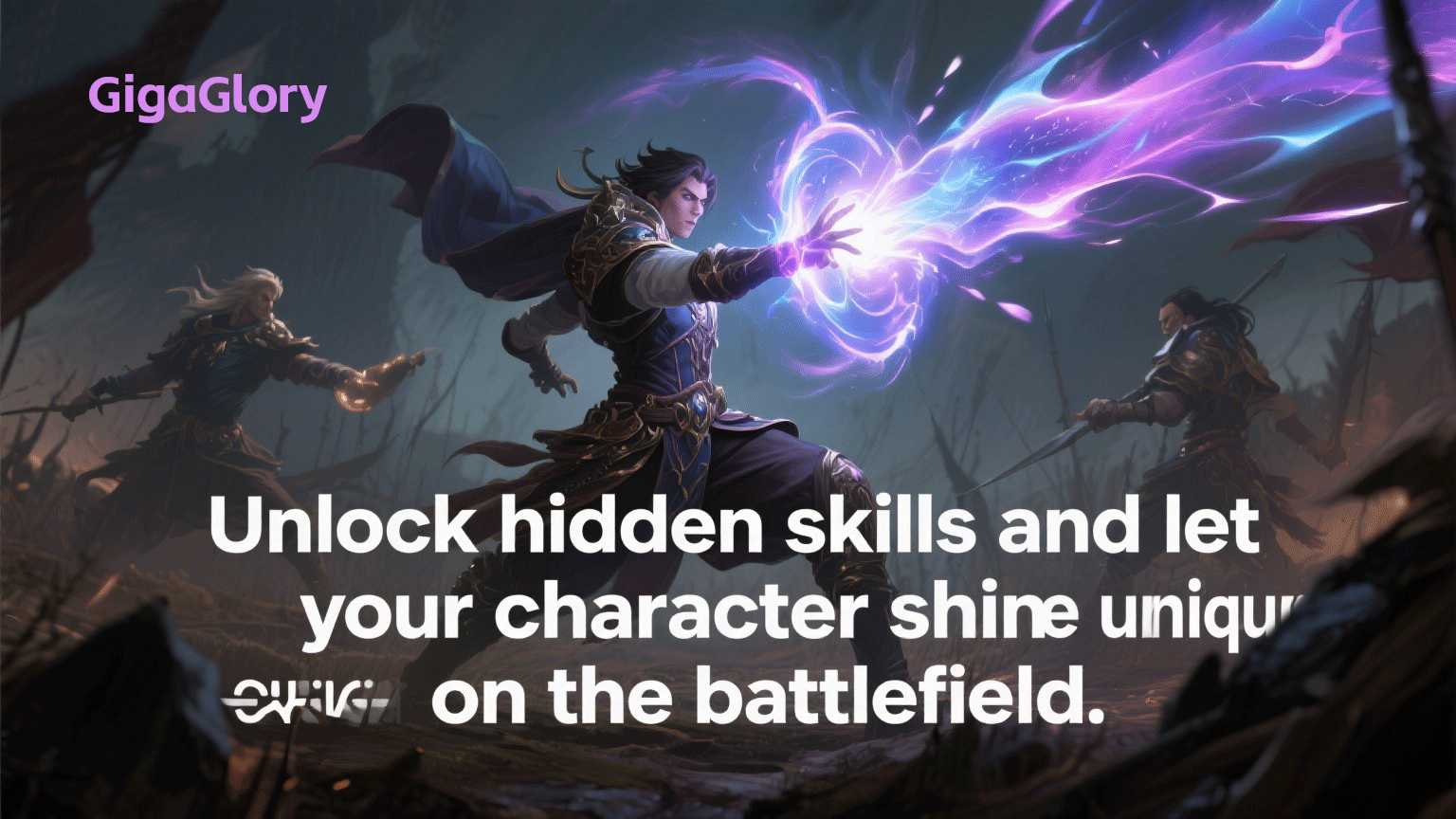
At their core, open world games provide players with expansive virtual worlds devoid of linearity. Unlike traditional games that force players down a set path, these games encourage exploration. Players face choices that can steer the course of their experience, from embarking on epic quests to simply wandering through stunning landscapes. It's this unpredictability and freedom that sets them apart.
Key Features of Open World Games
- Vast, open environments that are scalable and explorable.
- User-driven narratives with choices impacting outcomes.
- Diverse NPC interactions that enhance storytelling.
- Dynamic weather and day-night cycles, adding realism.
- Side quests that enrich gameplay experience.
The Role of Storytelling
A defining trait of open world games is their emphasis on storytelling. Unlike traditional narratives, these games offer multiple storylines shaped by player actions. Take Pillars of Eternity 2: Deadfire for instance. It's not just about moving from point A to B; it’s about crafting a personal tale through decisions, alliances, and consequences. Players might find themselves entangled in a quest to uncover the Drowned Kingdom puzzle while also navigating intricate relationships with other characters.
The Experience of Freedom
Perhaps the most appealing aspect of open world games is the sense of freedom they provide. Gamers can solo or team up, fight, explore, or engage with the environment without any stringent rules. This freedom enhances immersion. Imagine embarking on a journey in a game like The Witcher 3, where just riding around on your horse can lead to spontaneous quests!
Why Open World Games are Transforming Gaming Experiences
Video game industry experts argue that open world games represent a new form of interactive entertainment. By allowing players to choose their paths, these games cultivate a sense of ownership over the gaming experience. Furthermore, they integrate elements of role-playing games (RPGs) while retaining mainstream accessibility. Players want to feel that their choices matter and that they can influence the world around them.
A Growing Community
The community aspect of open world games is often underappreciated. Players connect in forums, discuss strategies, share tips on solving puzzles like those found in Pillars of Eternity 2, and collaborate in multiplayer settings. This shared experience fosters deep friendships, and in many cases, aids in the discovery of hidden game lore. Games like Grand Theft Auto V and Minecraft illustrate how these environments create communities.
Interactive Features and Technologies
| Feature | Description | Example |
|---|---|---|
| Main Quests | Primary storyline progression | The Witcher 3 |
| Side Quests | Optional missions, often enriching | Assassin’s Creed Odyssey |
| Interactive NPCs | Characters that engage players | Skyrim |
| Dynamic Environments | World changes based on player actions | Red Dead Redemption 2 |
The Economics of Open World Games
The financial success of open world games cannot be understated. Titles like The Legend of Zelda: Breath of the Wild and Fallout 4 have generated massive sales, and their innovations file a blueprint for future developers. It's evident that audiences are willing to invest not just money but time into these experiences that promise engagement.
Challenges in Open World Game Development
While open world games are bursting with potential, they also pose immense challenges for developers. Creating expansive worlds with immersive details often requires years of dedicated effort. It's not uncommon for a single quest line to be refined multiple times before it feels just right. Plus, maintaining balance between freedom and coherence in storytelling can be tricky.
Technological Innovations Driving the Future
Emerging technologies continue to influence the direction of open world games. From advancements in artificial intelligence that enhance NPC behaviors to improved graphics rendering, the technological evolution promises even more impressive interactive experiences. Gamers can look forward to richer worlds, faster load times, and increasingly complex story arcs.
Conclusion: The Future of Open World Games
So, as we grapple with open world games, it's clear they’re more than just a passing trend. They are redefining interactive entertainment, providing players with exhilarating freedom and control over their narratives. The blend of storytelling, community, and technological advancements suggests that the best is yet to come in this genre. As we dive deeper into the infinite landscapes of these games, one thing is certain: the journey is just as thrilling as the destination. Whether you're fighting your way through a Drowned Kingdom puzzle or uncovering secrets in a sprawling open world, every player has a unique story to tell.