From RPG Games to Hyper Casual Games: Exploring the Evolution of Gaming Genres
Introduction
Gaming has come a long way, evolving from intricate RPG games to the simple yet addictive hyper casual games. This transition not only reflects technological advancements but also changing player preferences and lifestyles. Let’s dive into how this evolution has taken shape and what it means for both gamers and developers.
The Rise of RPG Games
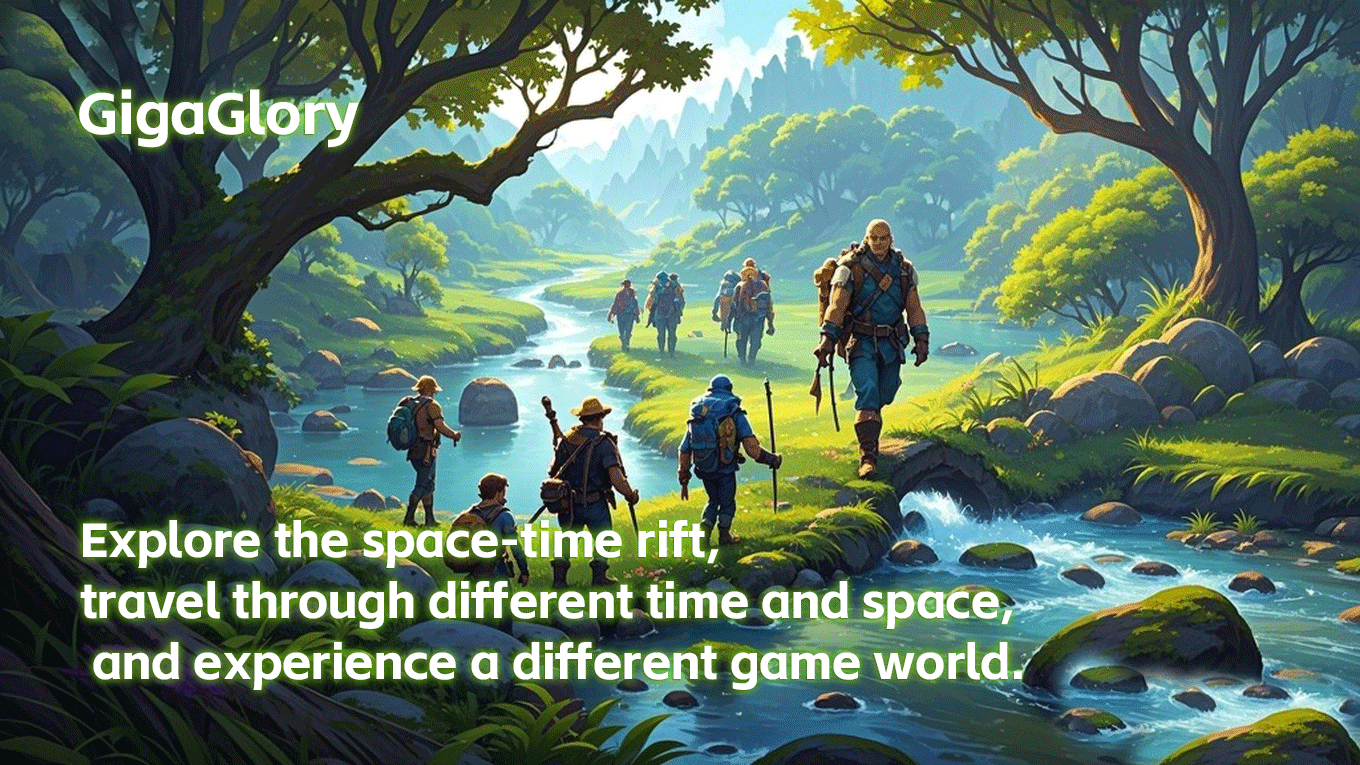
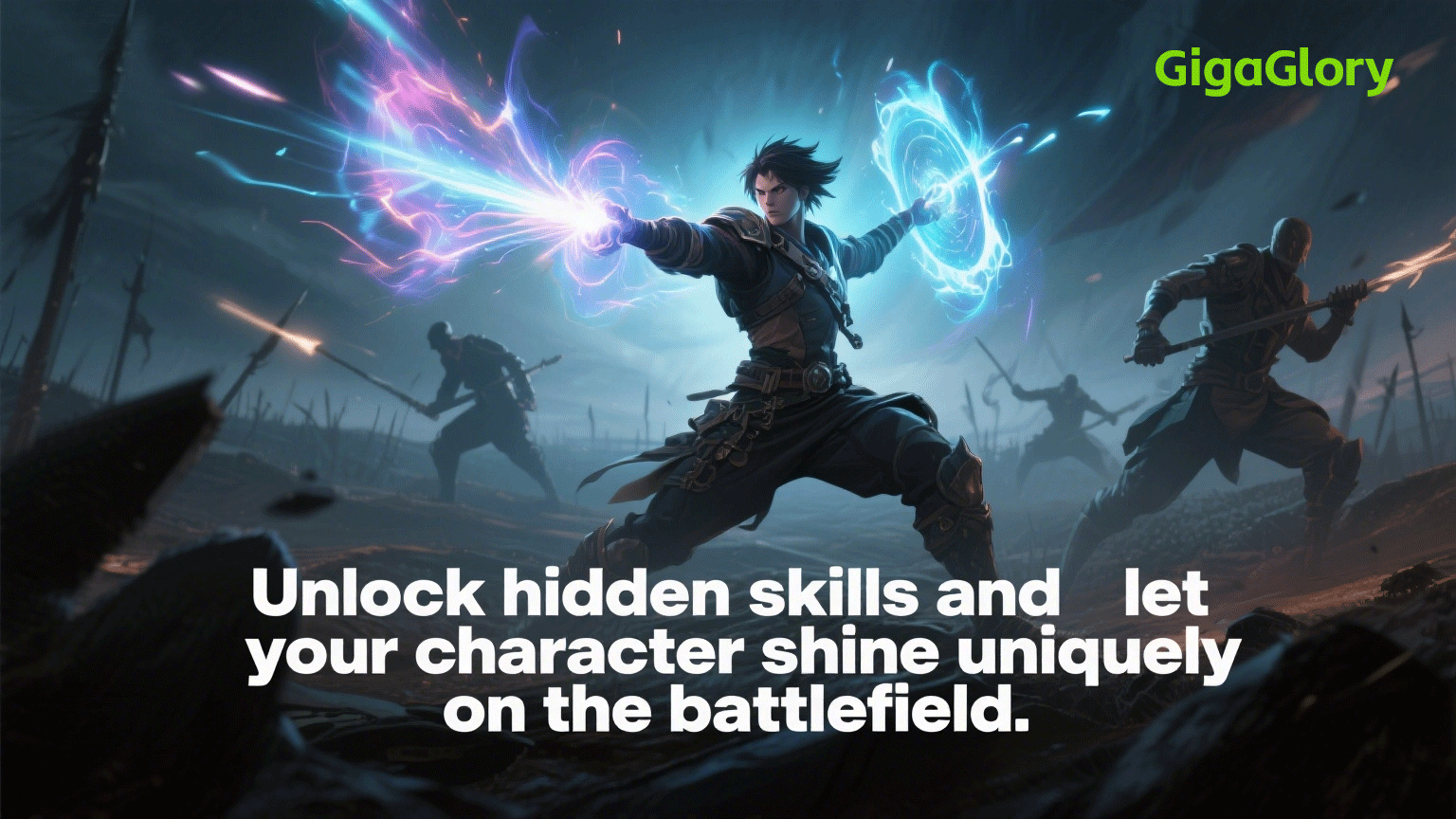
Role-Playing Games (RPGs) have carved a niche in the gaming world. Initially gaining traction in the late 70s and 80s, they allowed players to immerse themselves in complex narratives, develop characters, and engage in strategic gameplay. Games like Dungeons & Dragons paved the way, showcasing the potential for storytelling and character development.
Characteristics of RPG Games
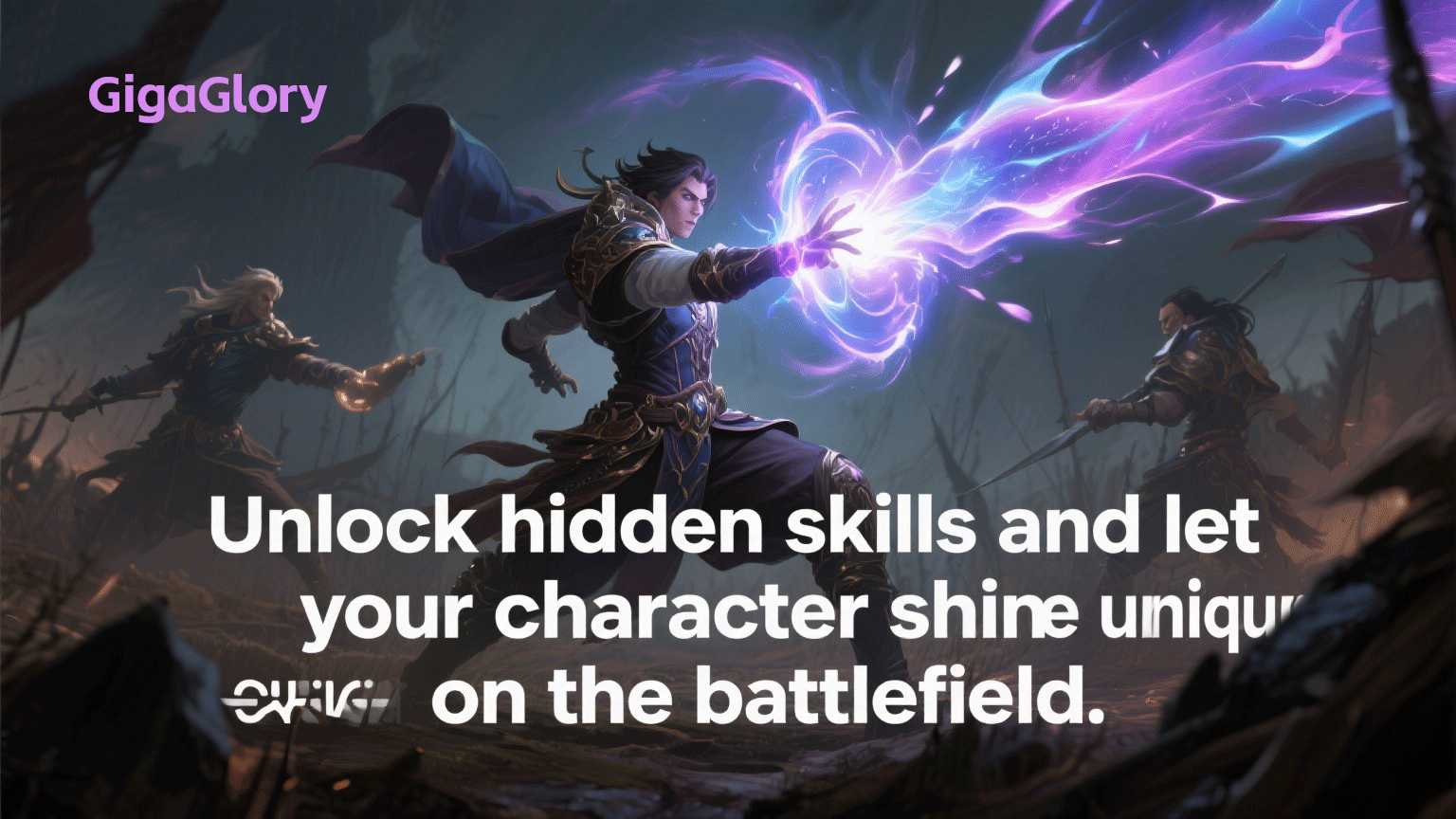
- Character Development: Players invest time in building characters, making choices that affect gameplay.
- Complex Narratives: Engaging storylines draw players in, making them part of the game world.
- World-Building: Vast game worlds full of lore and secrets add depth to player experiences.
The Transformation into Hyper Casual Games
Fast forward to the present day, and we see a surge in hyper casual games. These games are designed to be straightforward and quick to play, making them perfect for mobile gaming. The shift is a testament to our ever-decreasing attention spans and the desire for immediate gratification.
Features of Hyper Casual Games
- Simplicity: Easy to learn, these games require minimal instructions.
- Short Play Sessions: Ideal for quick gaming during breaks or commutes.
- Addictive Gameplay: Engaging enough to keep players coming back for more.
Why the Shift? Player Preferences
Understanding the reasons behind this shift in gaming genres is essential. Today's players often seek quick entertainment rather than deep narratives and complex mechanics. Coupled with the rise of smartphones, hyper casual games cater to the need for simplicity and accessibility.
The Influence of Technology on Gaming
Advancements in technology have played a significant role in this transition. The increase in mobile device capabilities allows developers to create visually appealing yet lightweight games. For instance, games like Helix Jump and Flappy Bird became instant hits due to their engaging simplicity.
Pros and Cons of RPGs and Hyper Casual Games
Examining both genres reveals unique advantages and challenges:
| Genre | Pros | Cons |
|---|---|---|
| RPG Games | In-depth storytelling, character development | Time-consuming, often requires more focus |
| Hyper Casual Games | Accessible, easy to pick up and play | Limited depth, can get repetitive |
Connecting the Virtual and Real Worlds
Interestingly, gaming isn’t just about the screen anymore. As we strive to move from being a couch potato to a runner, games have adopted methods to encourage physical activity. Mobile games like Pokemon GO have gamified fitness, blending real-world movement with engaging gameplay.
The Social Aspect of Gaming
Another pivotal change in the gaming landscape is social interaction. RPG games often require teamwork and cooperation, fostering community. On the contrary, hyper casual games tend to focus more on individual accomplishments. Yet, games like Agar.io have introduced a competitive edge, allowing Social play without extensive commitments.
Impacts of Evolving Genres on Developers and Gamers
This evolution impacts how developers approach game creation. There’s a fine line between creating a compelling story versus a quick game for profit. Understanding what players want is essential in this fast-paced industry. New talent in the gaming world is focusing on quick development cycles, often at the expense of depth.
The Future of Gaming Genres
As the industry continues to evolve, what lies ahead? Will RPG games make a grand resurgence, or will it be all about hyper casual? Players' tastes dictate these trends. With players gravitating towards more immersive experiences while still enjoying lighthearted, quick gameplay, the future of gaming is undoubtedly bright.
Conclusion
In the great gaming evolution saga, we've seen RPGs shape deep narratives and rich character development, while hyper casual games strip down complexities for quick entertainment. Regardless of preference, the landscape is changing, with room for both genres to coexist and thrive. Whether you're on a quest in a vast fantasy world or grabbing your phone for a quick run in a casual game, the essence of gaming remains: fun, connection, and a splendid distraction from everyday life.