HTML5 Games vs Traditional Mobile Games: Which Offers the Best Experience?
The gaming landscape has shifted dramatically in recent years, especially with the rise of mobile gaming. As players flock to their devices for entertainment, the debate between HTML5 games and traditional mobile games has gained momentum. In this article, we'll explore both sides, weigh their pros and cons, and ultimately determine which provides a superior experience for players.
Understanding Mobile Games
Mobile games are a staple in modern entertainment, appealing to users of all ages. Whether it’s a quick puzzle or an in-depth RPG, mobile games deliver diverse experiences right in your pocket.
The Rise of HTML5 Games

HTML5 has transformed how games are developed and played. Thanks to its compatibility across devices, developers can create engaging titles that run smoothly on any platform. But how does this compare to traditional mobile games?
Traditional Mobile Games Explained

Traditional mobile games typically require downloading from a store. They often promise high-quality graphics and immersive gameplay, but can they stand up against the performance of HTML5 alternatives?
Accessibility: A Key Differentiator

One of the biggest advantages of HTML5 games is their accessibility. Players can jump into a game through any web browser without the need for installation. This is something that traditional mobile games can't quite offer, as they often require storage space and updates.
Graphics and Performance Comparison

When it comes to visual appeal, traditional mobile games often have the upper hand. With sophisticated graphics engines and detailed animations, they tend to create a more compelling gaming experience. However, the gap is closing as HTML5 technology advances.
Monetization Strategies
| Type of Game | Monetization Strategies |
|---|---|
| HTML5 Games | Ads, Microtransactions |
| Traditional Mobile Games | Paid Apps, Subscriptions, Ads |
Monetization strategies vary significantly between the two formats. While HTML5 games often rely on ad revenue, traditional games may involve upfront fees or subscriptions.
Social Interaction and Community

For many gamers, the social aspect of gaming cannot be overlooked. Most traditional mobile games provide features that allow for greater interaction with friends and the gaming community. However, many HTML5 games are catching up by incorporating multiplayer elements.
Updating and Patching Games
With traditional mobile games, developers periodically release updates to enhance gameplay and fix bugs. HTML5 games, being browser-based, can implement updates in real-time, which might improve the overall experience for players.
Compatibility Across Devices
One of HTML5's strongest suits is its cross-device compatibility. Players can switch from a phone to a laptop without any disruption in gameplay. On the other hand, traditional mobile games often need specific operating systems to function, limiting accessibility.
The Experience of Playing HTML5 Games
- Instant access without downloads
- Frequent updates
- Wide range of genres available
These qualities ensure that players enjoy a seamless experience, but how does it hold up in a competitive environment?
Drawbacks of HTML5 Games

Despite their advantages, HTML5 games do have some shortcomings. Their graphics quality might not rival that of traditional mobile games, which can impact overall immersion.
The Lifespan of Games
Many traditional mobile games go through cycles of popularity, but the lifecycle of HTML5 games can be unpredictable. While some may thrive, others fade quickly from players' memories. This brings us to the question of longevity.
Which Is More Cost-Effective for Developers?
- Lower development cost for HTML5 games
- Higher initial investment for traditional mobile games

When considering cost, developers of HTML5 games benefit from a less intensive setup with the potential to reach a broader audience instantly.
Player Demographics: Who Plays What?

The audience for both types of games can differ. HTML5 games tend to attract casual players who are looking for quick sessions. In contrast, more engaged players usually lean towards traditional mobile games for deeper gameplay experiences.
Regulatory Challenges and Compliance
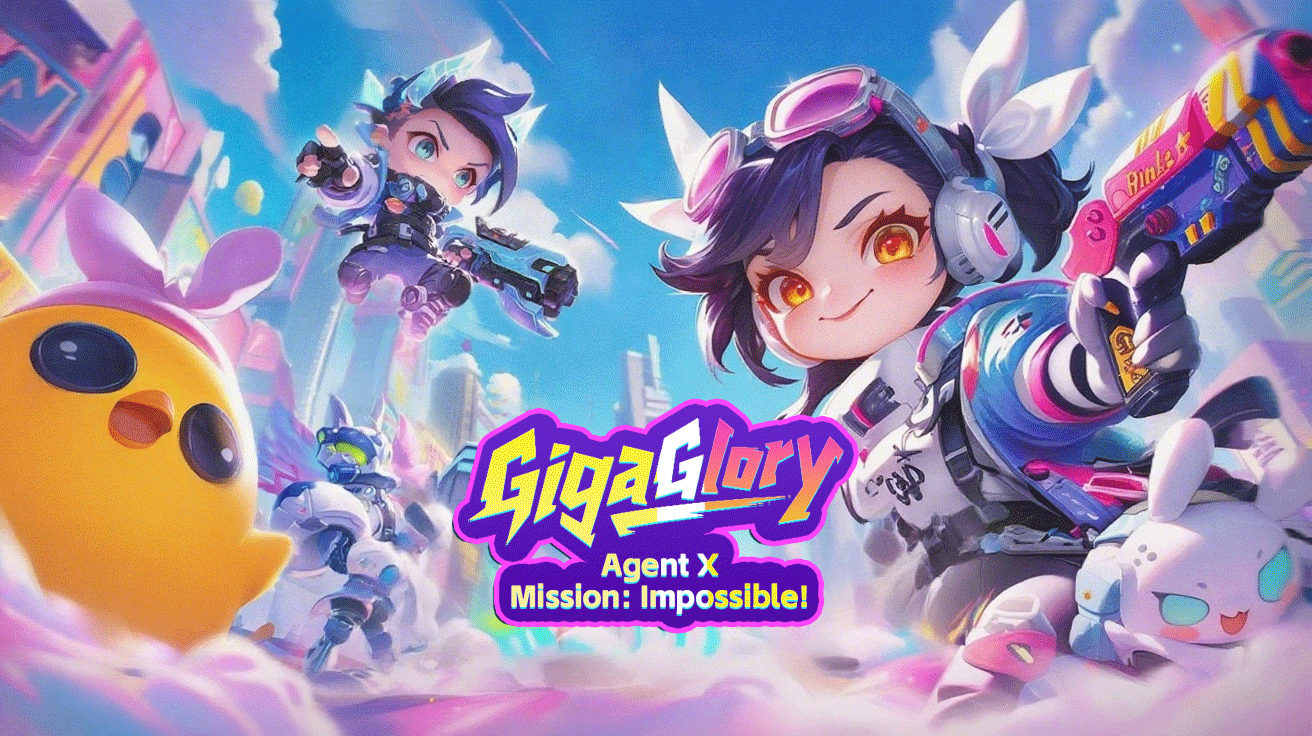
With adaptations to different populations, traditional mobile games face numerous regulations depending on the region. Unlike HTML5 games, which can navigate regulations more easily due to their web-based nature
The Future of Mobile Gaming: Trends to Watch
- Increased use of AR and VR technologies
- Shift towards subscription models
- Enhancements in 5G technology improving gameplay

As mobile gaming continues to evolve, both HTML5 and traditional games will need to adapt and innovate to stay relevant.
Conclusion: The Best Experience? It Depends!

Ultimately, whether HTML5 games or traditional mobile games offer the best experience boils down to personal preference. For quick, engaging gameplay, HTML5 games shine bright, while traditional mobile games excel in offering high-quality graphics and deep immersion.
As the landscape shifts, players must consider their gaming styles and prioritize what brings them joy. Regardless of the format, the future of gaming is bright, and it’s all about finding the right game for you!