Unleashing Creativity: How Strategy Games & RPGs Redefine Interactive Storytelling
In a world overflowing with digital entertainment options, strategy games and RPGs (role-playing games) have emerged as two distinct but increasingly converging genres. Both offer players not just a game, but a rich and immersive narrative experience that allows them to be the heroes of their own stories.
1. The Evolution of Interactive Storytelling
Interactive storytelling has evolved dramatically from the days of simple text-based adventures. Today, with the emergence of multifaceted strategy games like Supercell's Clash of Clans, the genre has developed into an intricate tapestry of choices, where every decision affects the outcome of the narrative.
The narrative complexity found in RPGs like the Star Wars: The Last Jedi Game also plays a crucial role, showcasing how stories can unfold based on player interactions. This blend of strategy and narrative creates a unique gaming experience that is appealing to a vast audience.
2. Key Elements of Strategy Games
At the heart of any great strategy game lie essential elements that keep players engaged. Here are some of the core components:
- Resource Management: Players must gather and allocate resources wisely to build their empires.
- Strategic Planning: Formulating long-term strategies based on opponents’ behavior and terrain.
- Decision Making: Each choice can alter the course of gameplay, escalating the stakes.
- Community Engagement: Multiplayer features allow players to collaborate or compete, enhancing social interactions.
3. The Role of Narratives in RPGs
RPGs, on the other hand, are built around storytelling. Players often find themselves immersed in extensive lore, character arcs, and emotional journeys. The depth of narrative in RPGs differentiates them from standard games, providing an experience that feels personal and significant.
In RPGs, the player’s choices not only affect gameplay but also how the story unfolds. **Here are some ways narratives enrich RPG experiences:**
| Aspect | Impact on Game |
|---|---|
| Character Development | Players form emotional bonds and can see their growth. |
| Player Agency | Choices have real consequences, affecting everything from survival to relationships. |
| World Building | Players explore rich environments that enhance immersion. |
4. Merging Strategy with Story-Driven Gameplay
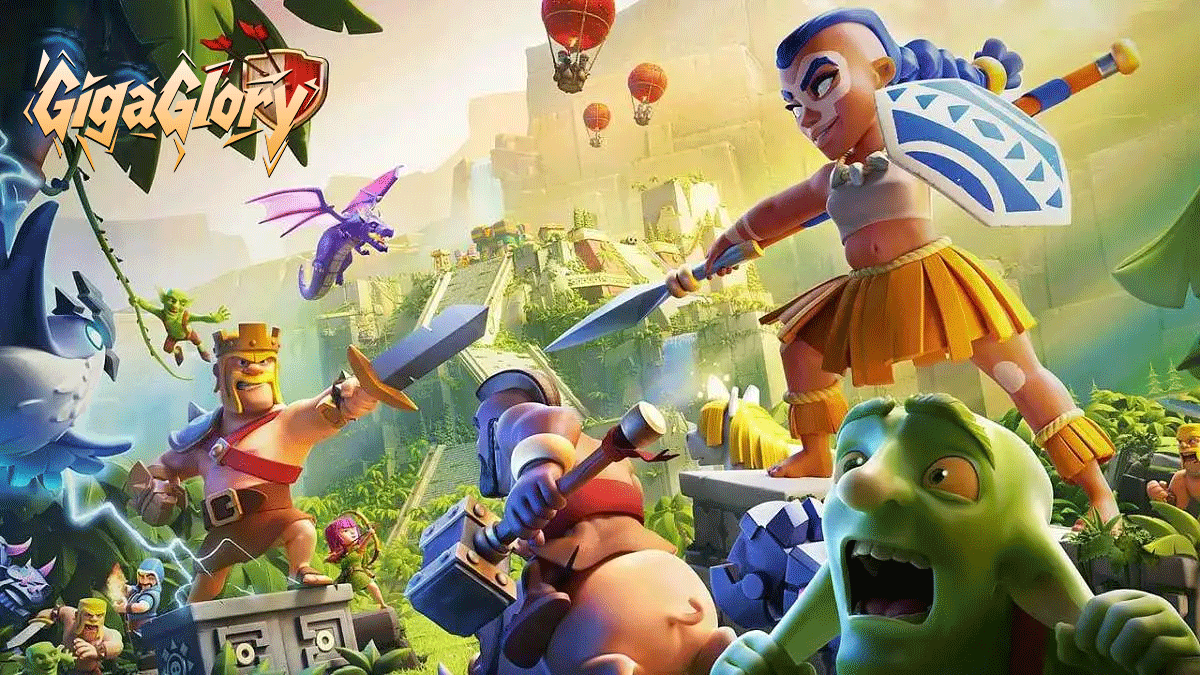
Interestingly, many modern games blend both genres, creating a gameplay experience that is both strategic and narrative-driven. Supercell's Clash of Clans is a prime example where strategy is essential while players often share and collaborate on storytelling elements, forming communities based on shared experiences.
Games like the Star Wars: The Last Jedi Game allow players to engage in narrative-rich gameplay while maintaining strategic elements, showcasing that players are not just participants but co-authors of their stories.
5. Engaging with Communities
One of the most rewarding aspects of strategy games and RPGs is the sense of community they foster. Players often gather in forums, social media platforms, and live events to discuss strategies, characters, and narratives. This collaborative environment enhances the gaming experience as players share their unique storytelling adventures and strategies.
6. The Future of Interactive Storytelling in Gaming
As technology continues to advance, particularly with the rise of AI and VR, the potential for storytelling in games expands remarkably. Imagine a game where your every decision not only influences the outcome but also alters the narrative's course through dynamic AI responses. The future holds exclusive opportunities for strategy games and RPGs alike.
Conclusion: A New Era of Storytelling Through Gameplay
In conclusion, the intersection of strategy and narrative-driven gameplay in strategy games and RPGs brings a unique offering to the gaming industry. Players are no longer passive consumers of stories; they are active participants in a world that adapts to their choices. Whether battling in a village like in Clash of Clans or embarking on an epic quest in the Star Wars: The Last Jedi Game, the power of storytelling through gameplay is more significant than ever. The next generation of games promises even more creativity, engagement, and immersive experiences – and players are ready to unleash their imaginations.